Artificial Intelligence and the Transformation of Business
More than just a tool, AIVEXLO is your strategic partner in Artificial Intelligence. We are working with you to achieve your growth objectives and turn your challenges into opportunities. Count on us. #IAPartnership #B2BStrategy #AIVEXLO
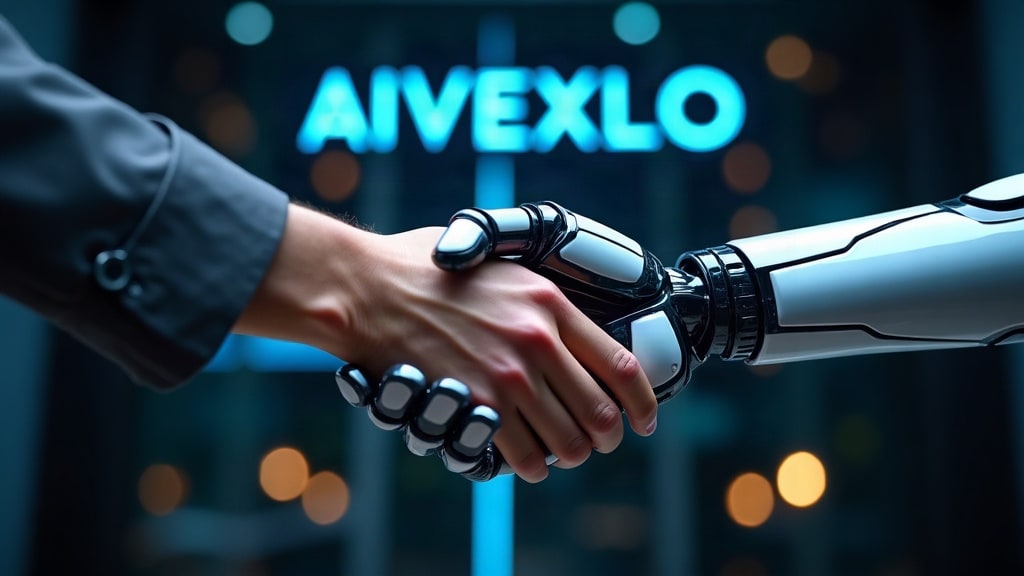
The reality is clear: many companies are missing valuable opportunities by not integrating Artificial Intelligence (AI) into their strategies.
In a competitive market, the lack of innovation can mean the difference between success and failure.
How can your company stand out? The path to transformation begins with understanding what AI can do for you.
What is Artificial Intelligence?
Artificial Intelligence is a branch of computer science that simulates human intelligence processes through machines, especially computational systems.
Its applications are vast and include everything from natural language processing to predictive analytics.
Companies that use AI can automate processes, improve efficiency, and consequently reduce costs.
Benefits of Integrating AI in Business
1. Increased Operational Efficiency
Integrating AI into business processes allows for the automation of repetitive tasks, freeing employees to focus on activities that require creativity and critical thinking.
For example, chatbots can handle customer inquiries, while data analytics software can generate reports in a fraction of the time it would take manually.
2. Improved Decision-Making
AI provides valuable data and insights that can guide strategic decision-making.
Predictive analytics tools can identify patterns and trends, allowing companies to anticipate customer needs and adjust their offerings accordingly.
3. Personalization of Customer Experience
Personalization is a growing trend.
With AI, companies can analyze consumer behavior and offer personalized recommendations, increasing customer satisfaction and retention rates.
For example, e-commerce platforms use algorithms to suggest products based on users' previous purchases.
How to Implement AI in Your Company
Step 1: Assess Needs
Before implementing AI solutions, it is essential to assess the specific needs of your company.
Which processes can be improved? What data is available and how can it be used?
Step 2: Choose the Right Tools
There are various AI tools on the market, from machine learning platforms to process automation solutions.
The choice should align with the company’s objectives and the nature of the business.
Step 3: Employee Training
Training is a crucial aspect for the success of AI implementation.
Employees should be familiar with new technologies and understand how they can be used to improve their work.
Step 4: Monitor and Evaluate Results
After implementation, it is important to monitor the results and assess the effectiveness of AI solutions.
Continuous adjustments are necessary to ensure that the technology is being used in the best possible way.
💡 Expert Practical Tip: It is vital to involve teams in the transition to AI.
Resistance to change can be a barrier; therefore, clearly communicating the benefits and providing support is essential.
Challenges of AI Implementation
Despite the benefits, AI implementation is not without challenges.
The lack of quality data, resistance to change, and concerns about data privacy are some of the issues companies must face.
1. Quality Data
The effectiveness of AI depends on the quality of the data.
Inaccurate or outdated data can lead to wrong decisions. Investing in data collection and management is essential.
2. Resistance to Change
Change can be difficult, especially in companies with a rooted culture.
To mitigate this resistance, it is important to promote a culture of innovation and educate employees about the benefits of AI.
3. Ethical and Privacy Issues
With the use of personal data, concerns about privacy and ethics arise.
Companies must ensure that their practices comply with regulations, such as the General Data Protection Regulation (GDPR).

Conclusion
Artificial Intelligence is not just a trend; it is a necessity for companies that wish to remain competitive.
Effective implementation of AI can transform challenges into opportunities and drive growth.
By following a structured plan and focusing on training and adaptation, companies can reap the benefits of this powerful technology.
Frequently Asked Questions (FAQ)
1. Is AI suitable for any type of business?
Yes, AI can be applied across various sectors, from financial services to healthcare and retail, adapting to the specific needs of each area.
2. What are the costs associated with AI implementation?
Costs can vary widely depending on the chosen tools and the scale of implementation.
It is important to conduct a detailed analysis before starting the project.
3. How can I ensure that I am using AI ethically?
Compliance with privacy regulations, such as GDPR, and transparency in data usage practices are key to ensuring an ethical approach to AI use.
Business Brain: Your Personalized AI
Build an exclusive digital brain trained with your brand identity and voice. Analyze data and generate elite content.
Edmundo Isidro
Co-founder & CTO
Helps businesses and entrepreneurs implement intelligent automations and scale their revenue through elite artificial intelligence solutions.